PROJECT TYPE:
VEHICLE:
SCOPE:
ROLE:
Independent Design + Build
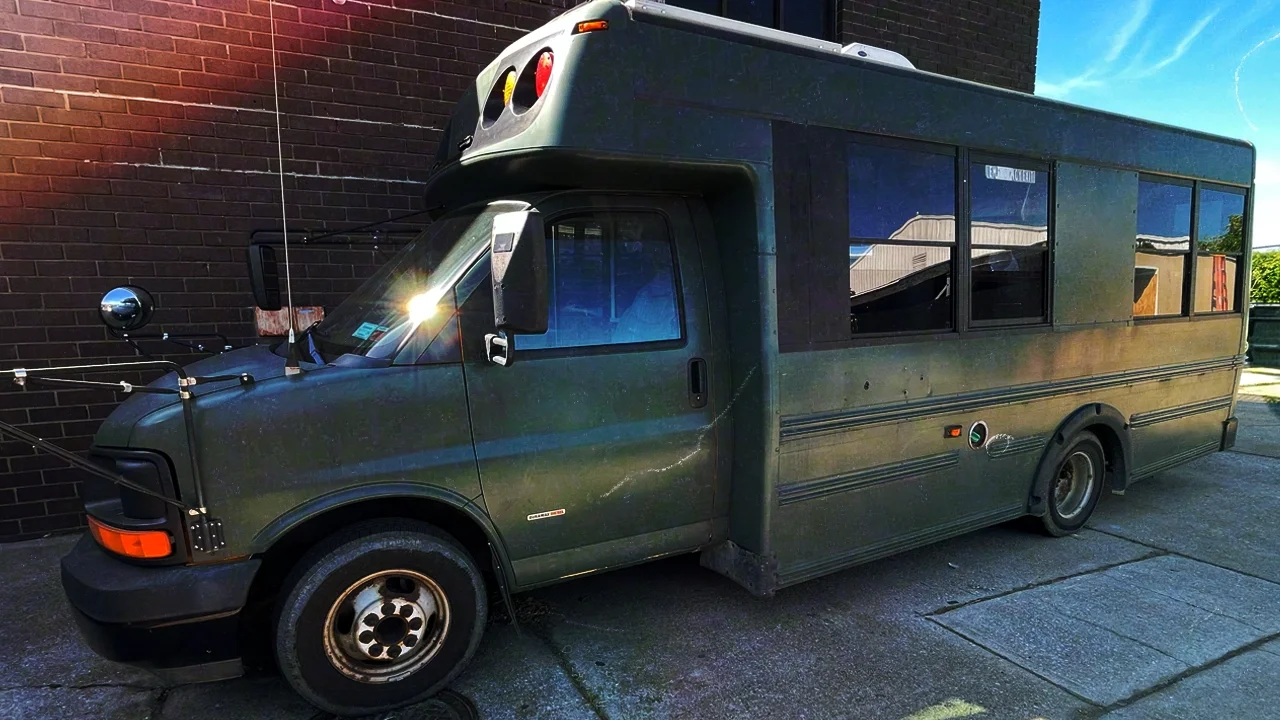
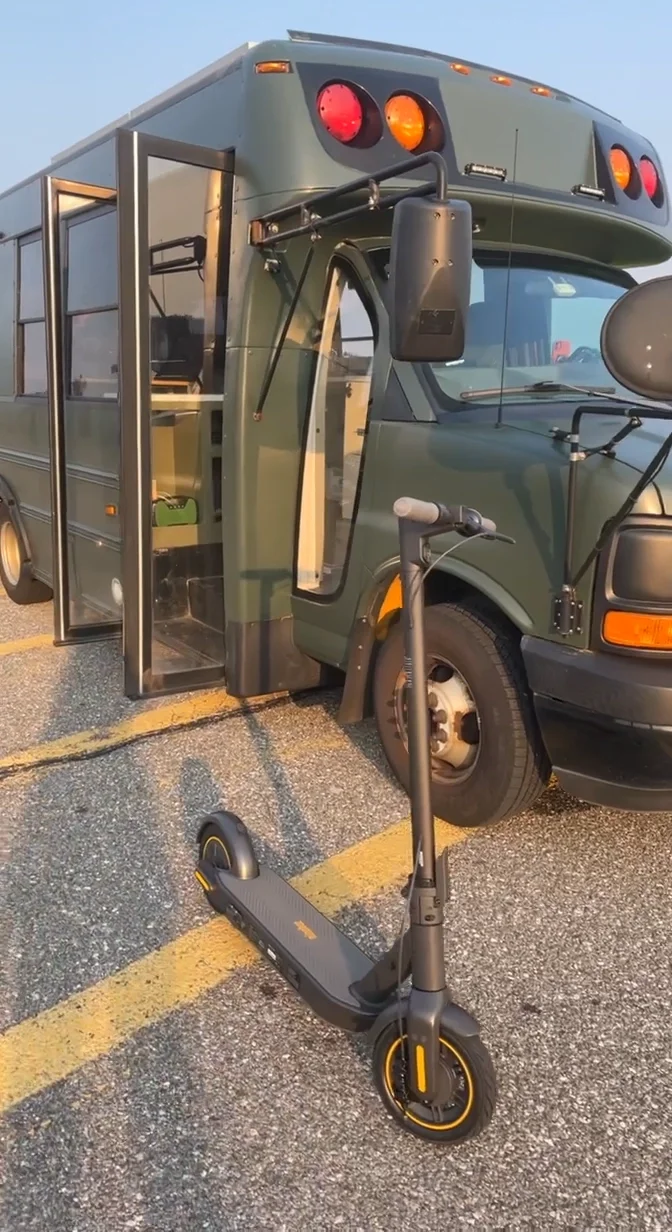
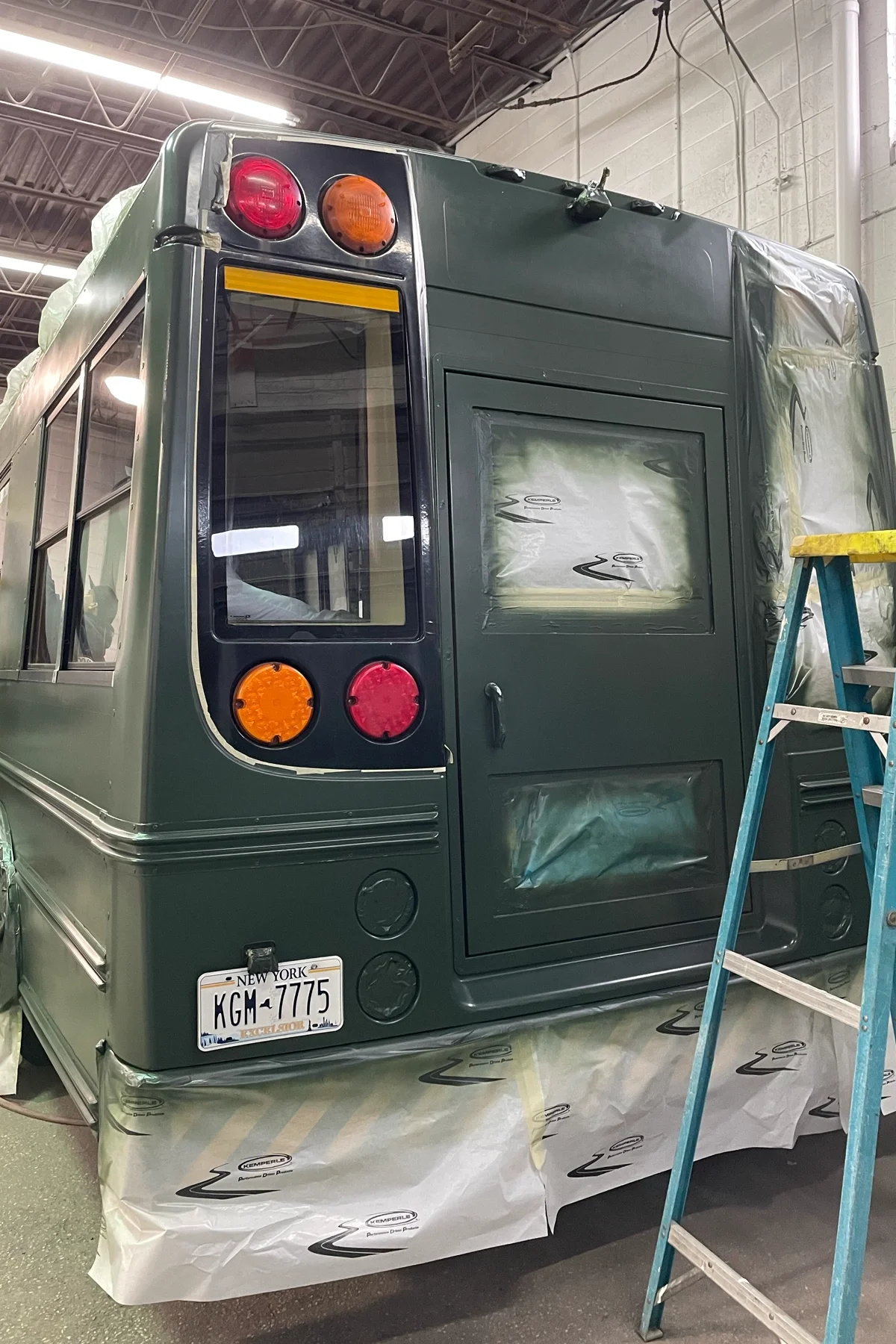
Retired School Bus Conversion
Full Interior Build-Out
TIMELINE:
10 Months
Design, Construction, Systems Integration
OFF-GRID CAPABILITIES:
Solar Power, Water Storage
THE CHALLENGE
- Limited interior width
- Vehicle weight limits
- Road safety considerations
- Power, water, and waste systems
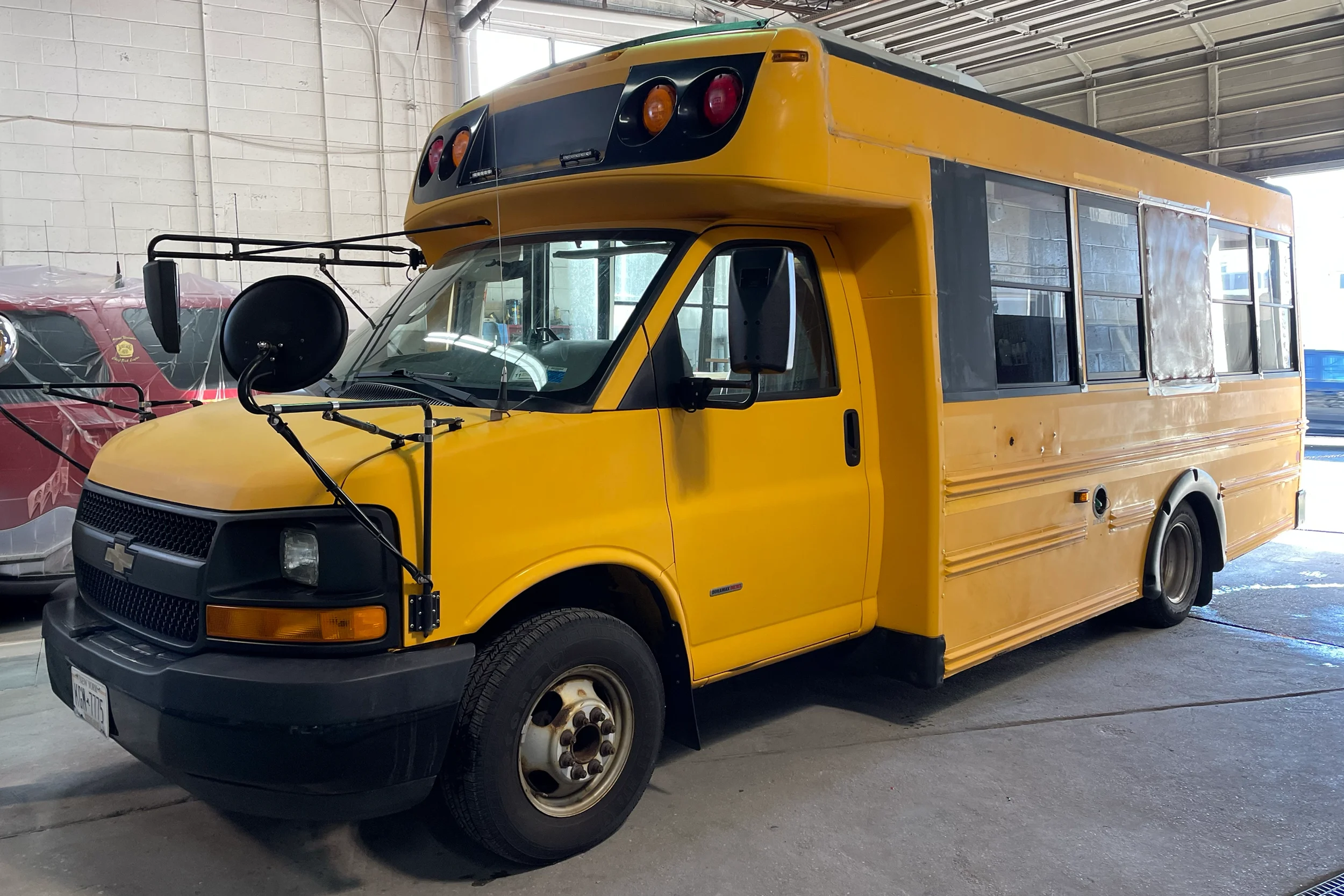
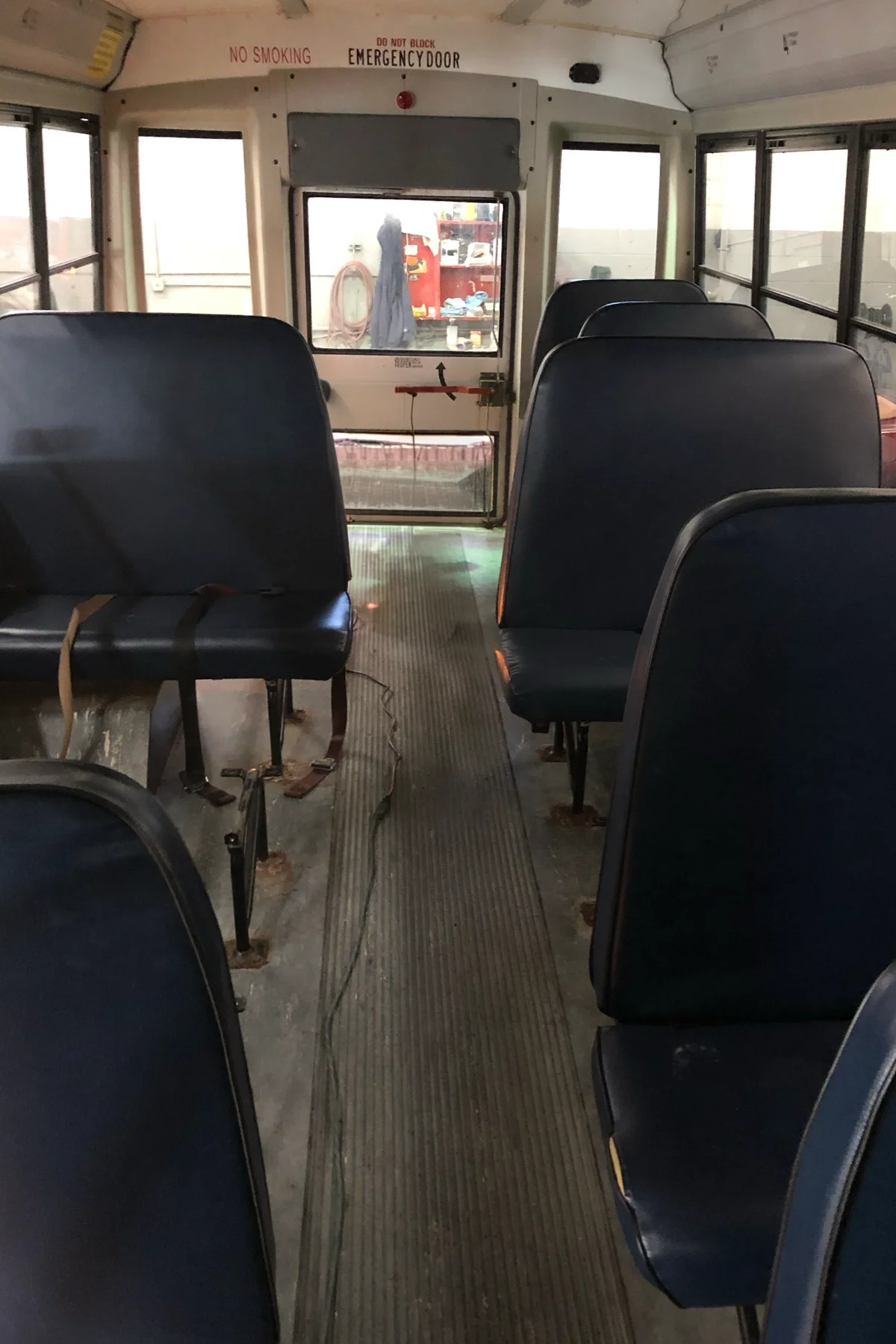
Converting a school bus into a livable environment required balancing everyday comfort with the structural and mechanical limitations of a moving vehicle. The narrow footprint, curved walls, and strict weight constraints required strategic planning of every built element, appliance, and storage solution.
SPATIAL STRATEGY
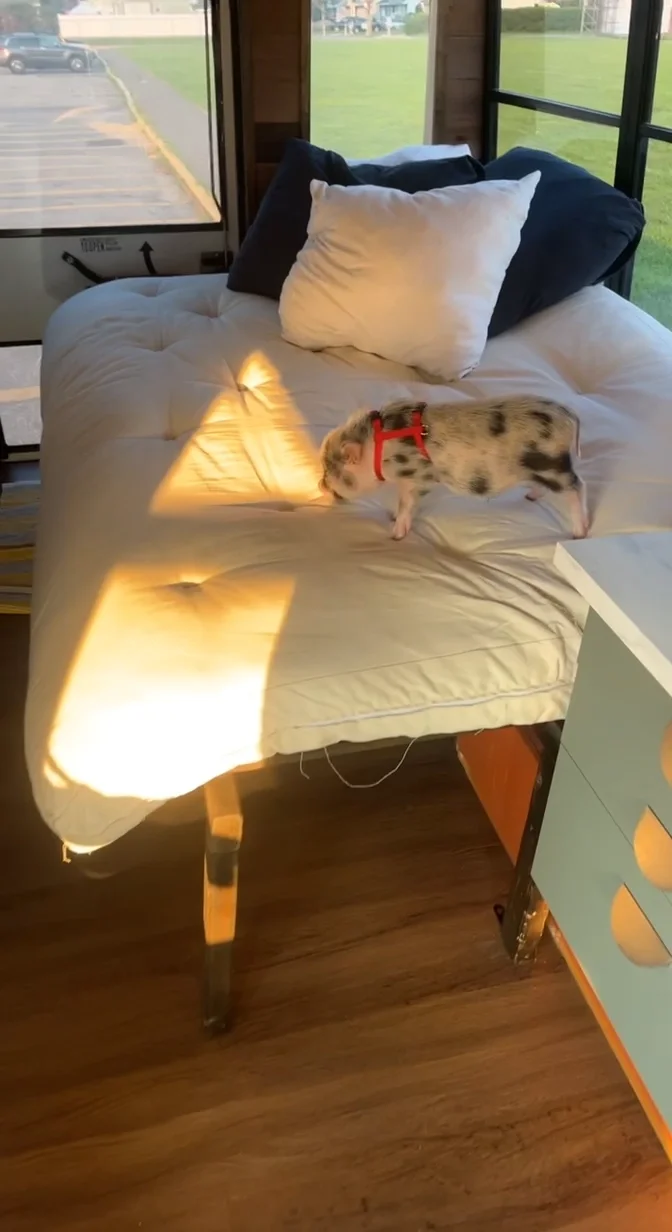
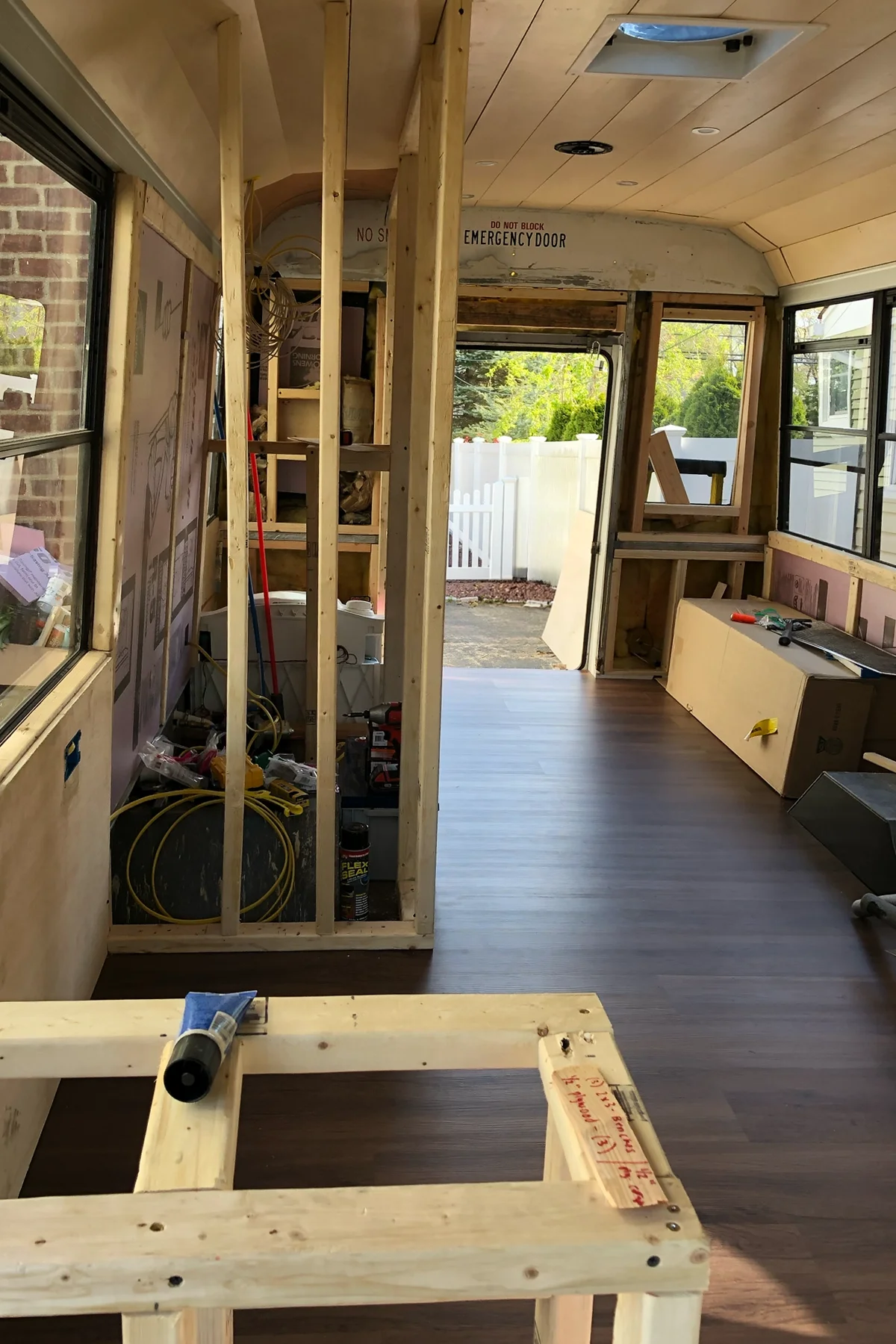
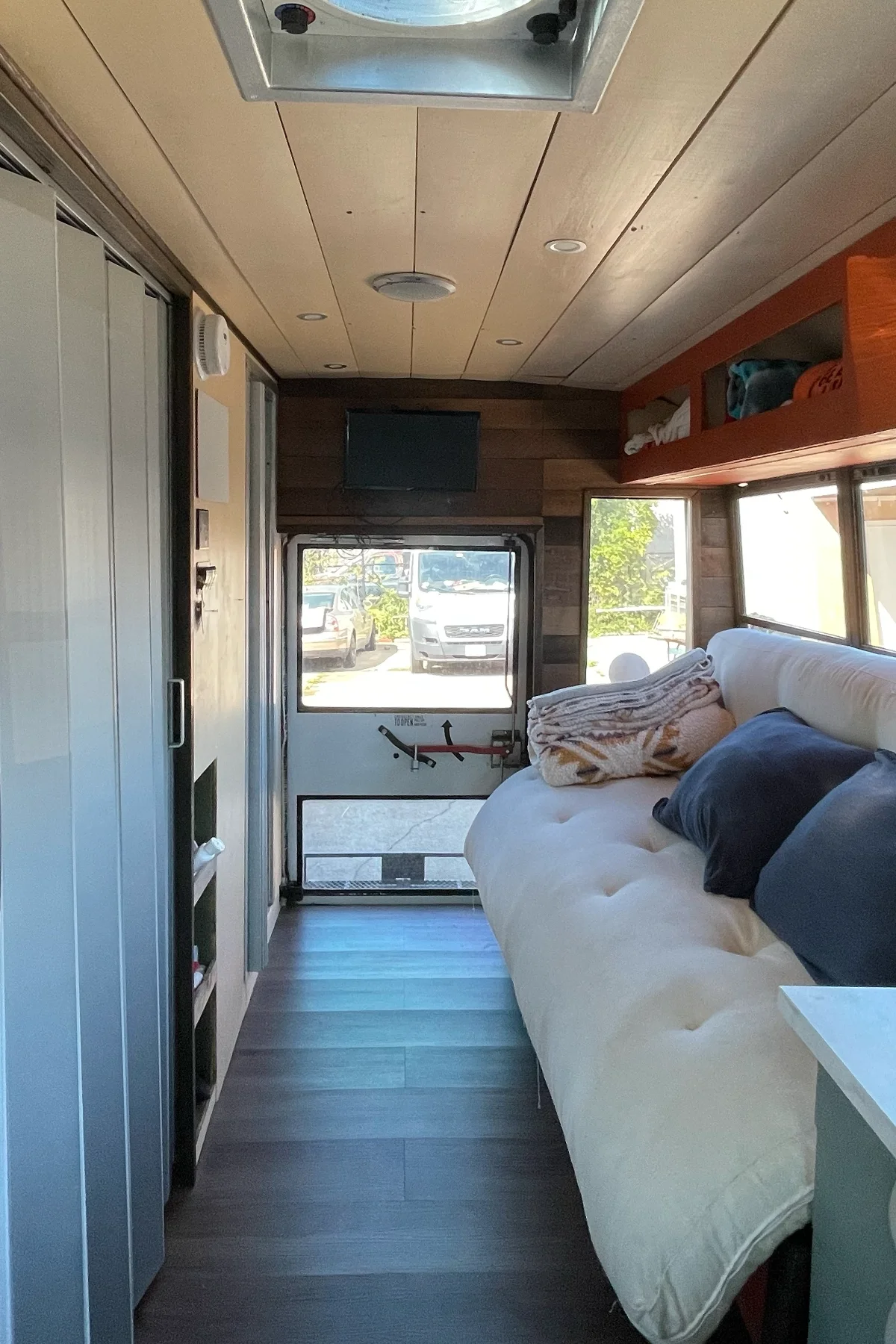
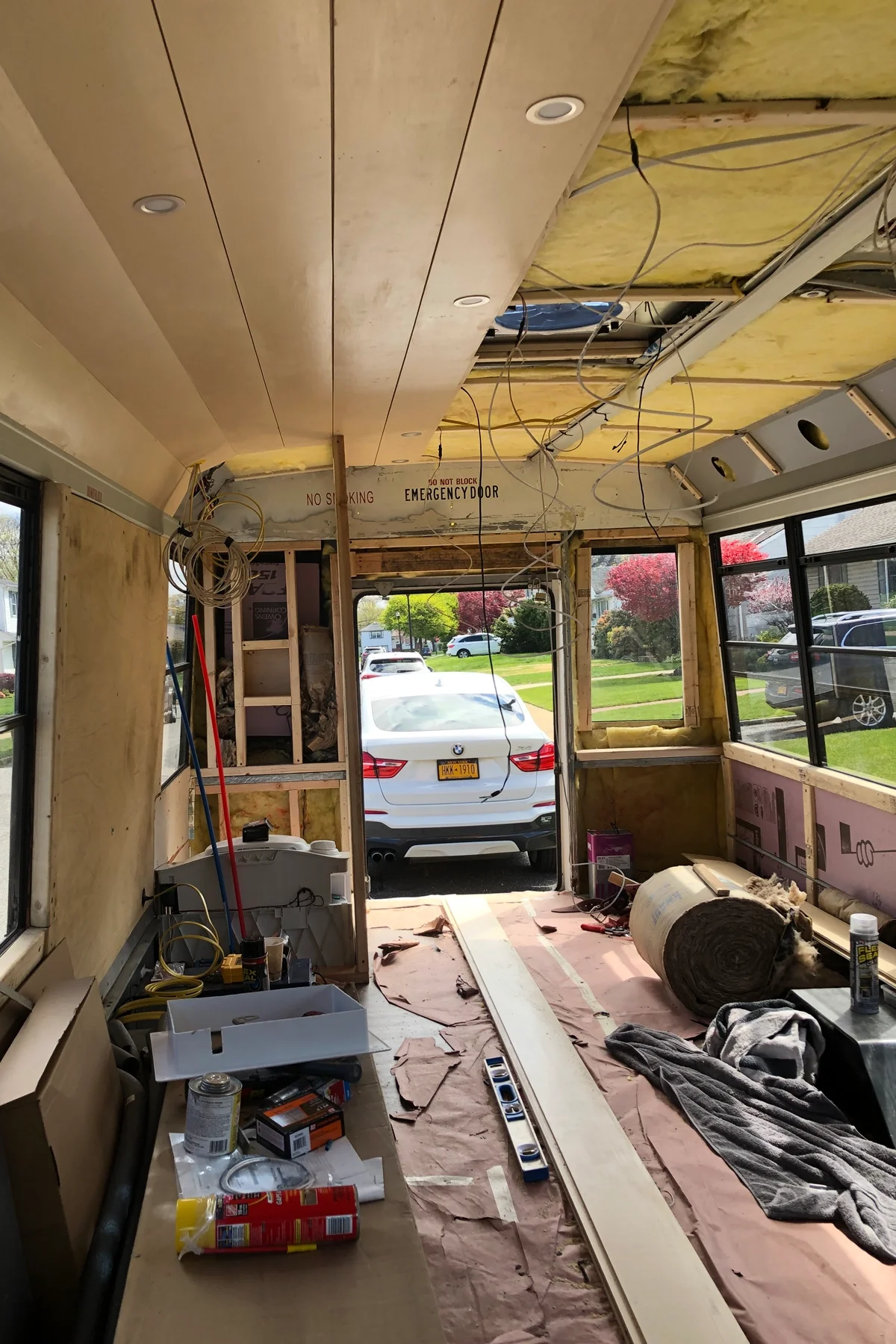
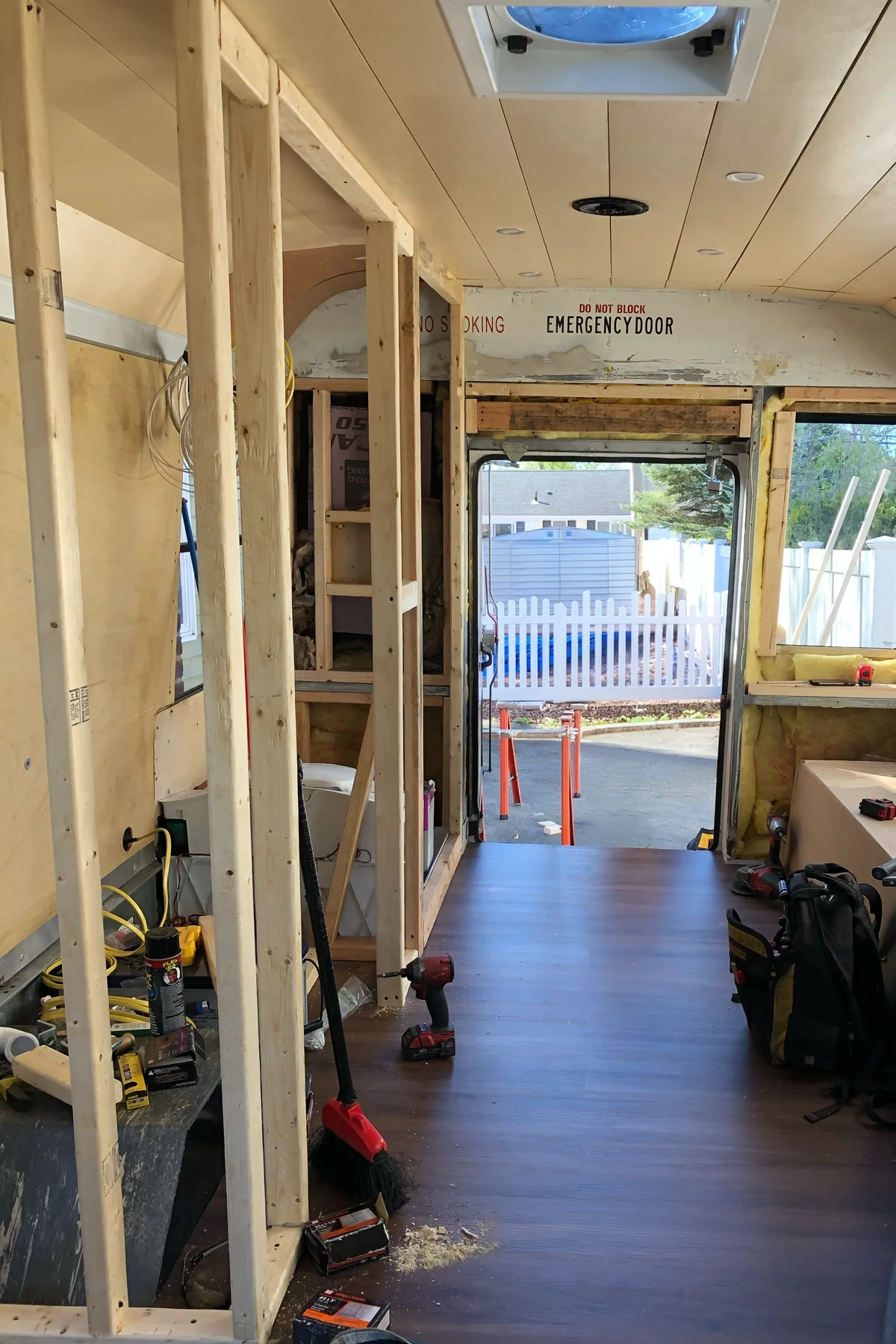
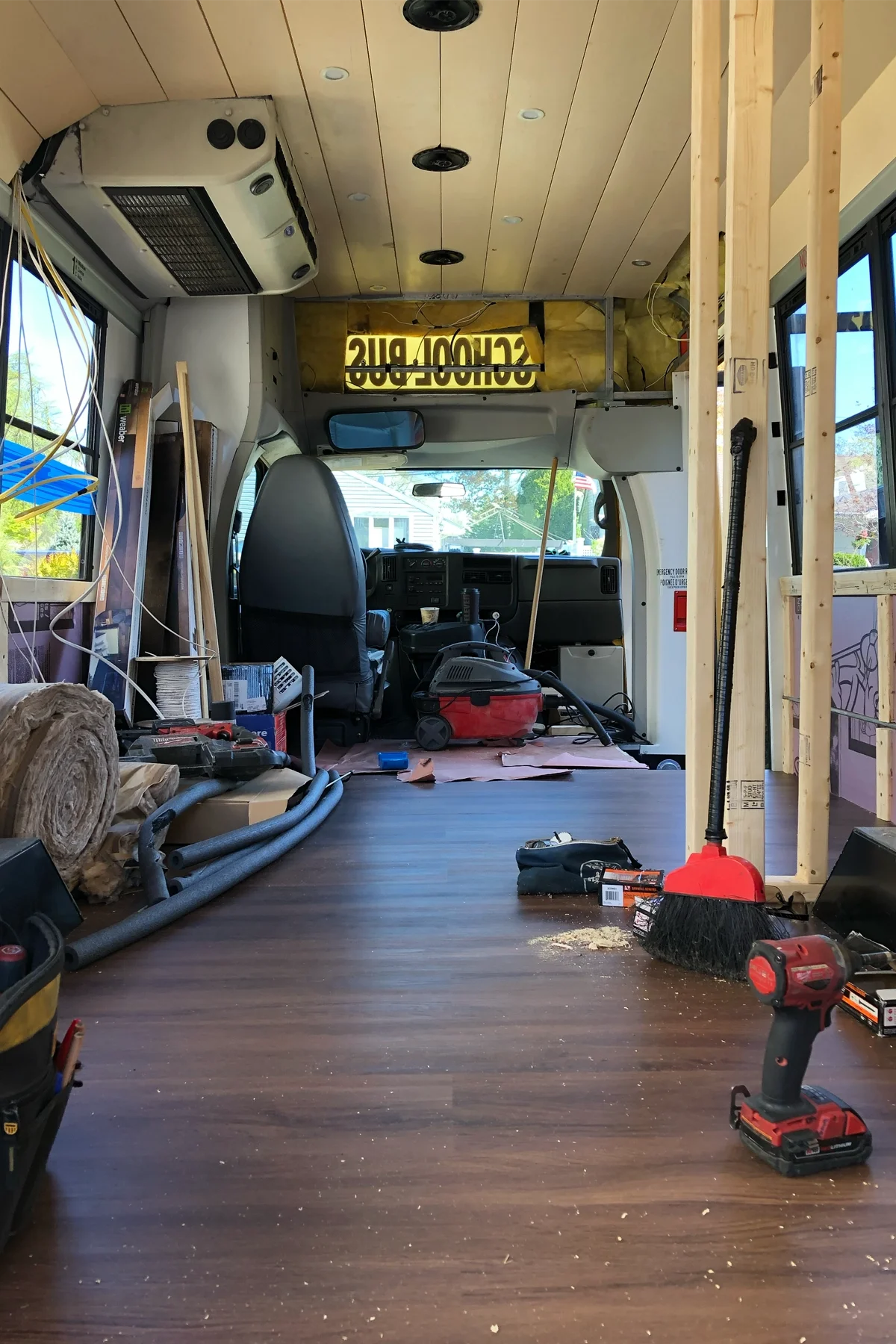
The interior layout was designed to transform a narrow school bus shell into a series of functional zones that support daily living while maintaining an open, continuous flow. The plan follows a linear progression through the bus, organizing cooking, dining, working, and sleeping areas along a central path while preserving visual openness from front to back.
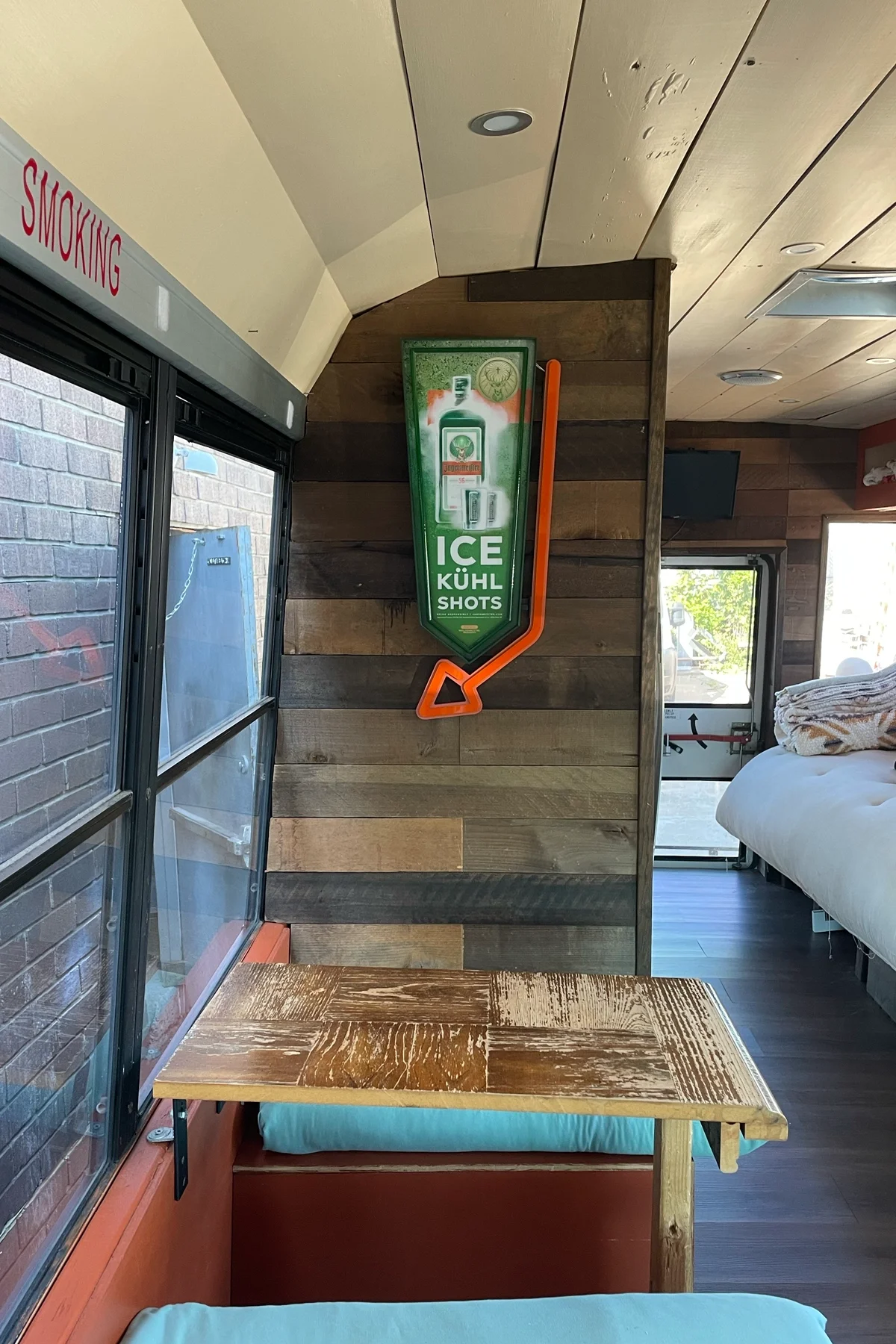
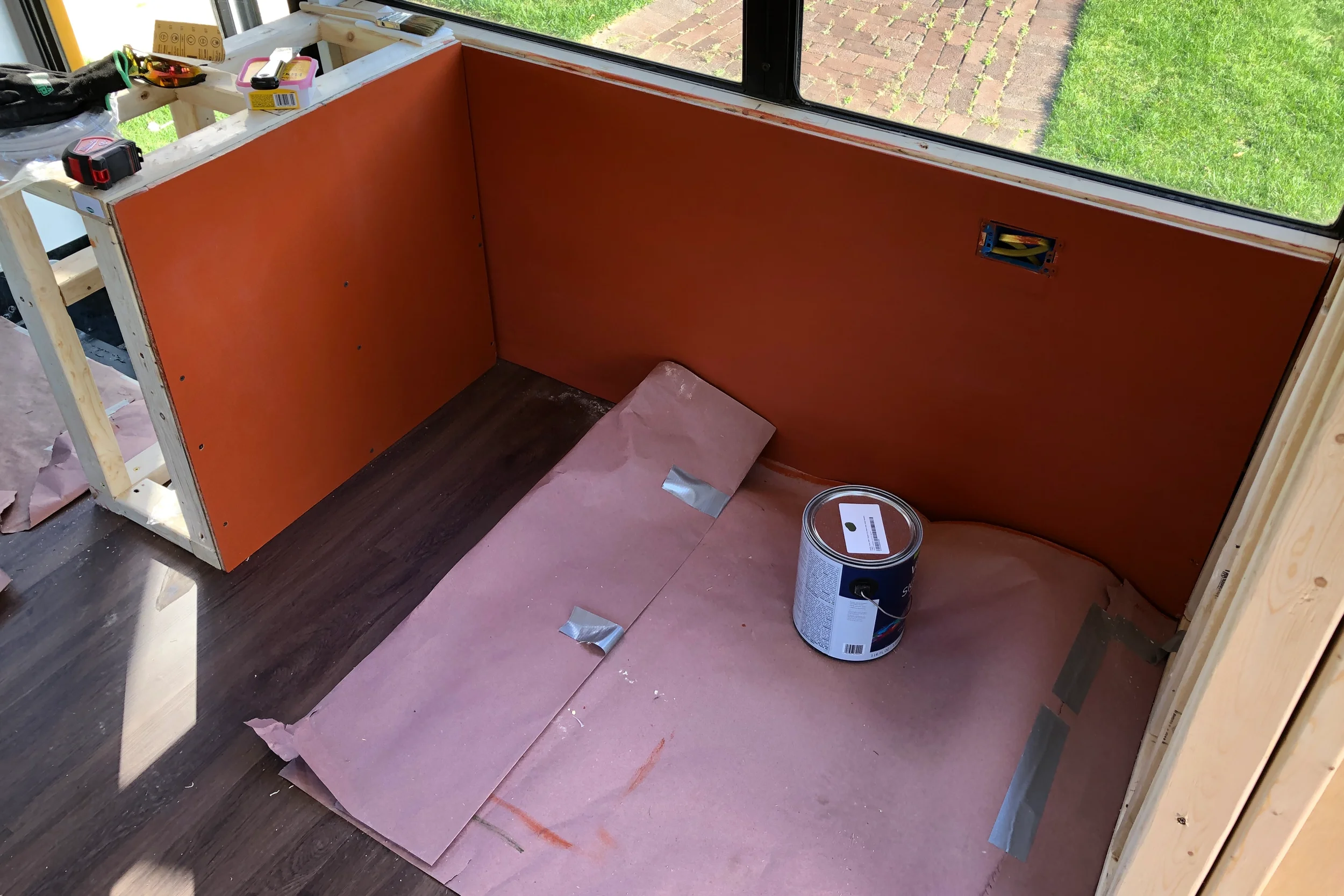
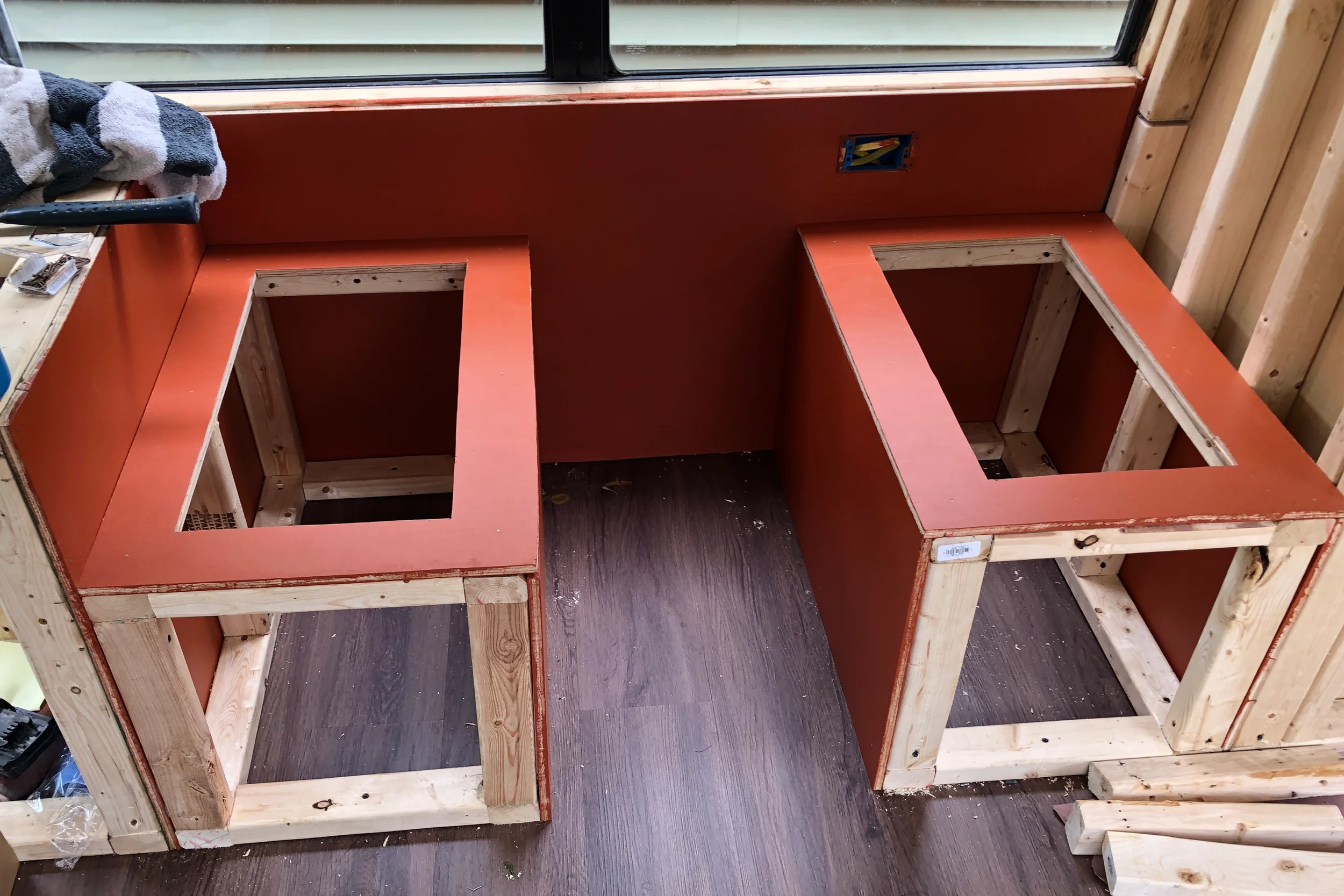
Built-in furniture and storage elements were integrated directly into the structure to maximize usable space without interrupting movement through the interior. Flexible areas were introduced to support multiple functions throughout the day, allowing the tiny footprint to adapt easily between living, working, and rest. The result is a layout that feels intentional and spacious despite the vehicle’s narrow dimensions.
MATERIALS + FINISHES
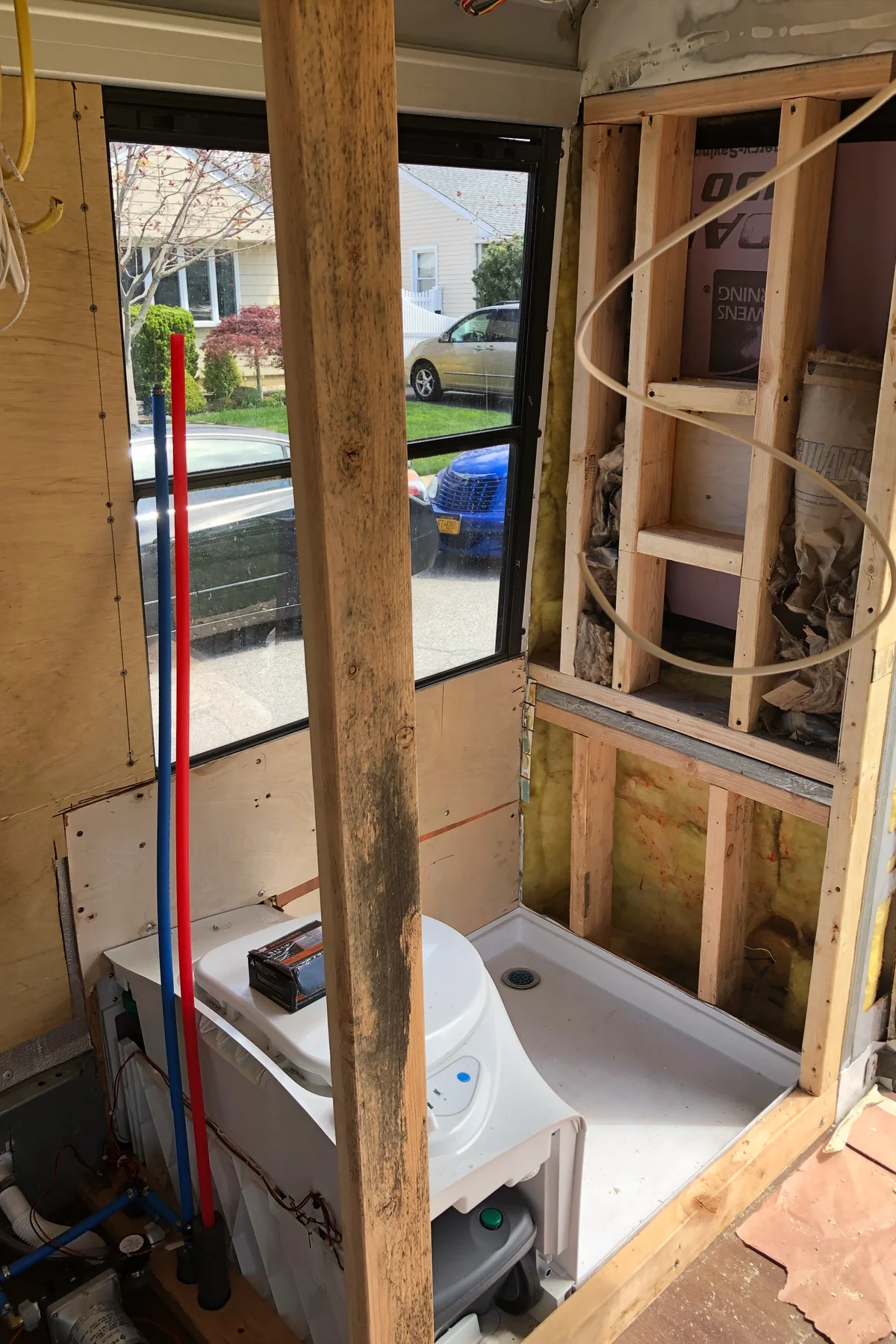
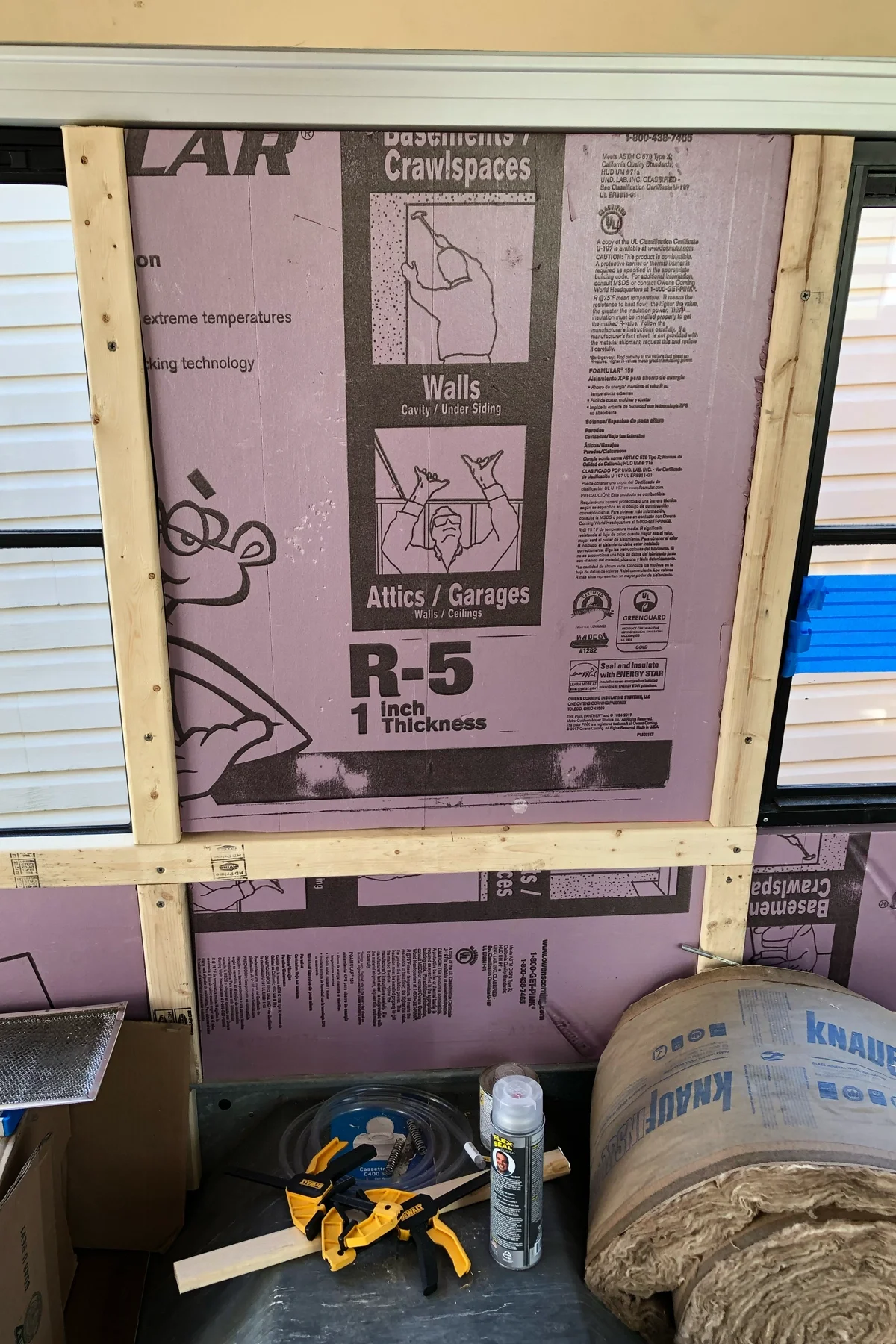
Material selection focused on balancing durability, weight efficiency, and visual warmth within the industrial shell of the bus. Lightweight construction methods were used throughout the build to maintain safe vehicle performance while still creating a comfortable residential environment.
A cohesive palette of earth tones and subtle textures was chosen to soften the original structure and create a calm, inviting atmosphere. Finishes were selected for their ability to withstand vibration, temperature shifts, and frequent movement, ensuring the interior remains resilient while traveling. Together, these materials help transform the bus from a utility vehicle into a thoughtfully designed living space.
SYSTEMS + FUNCTION
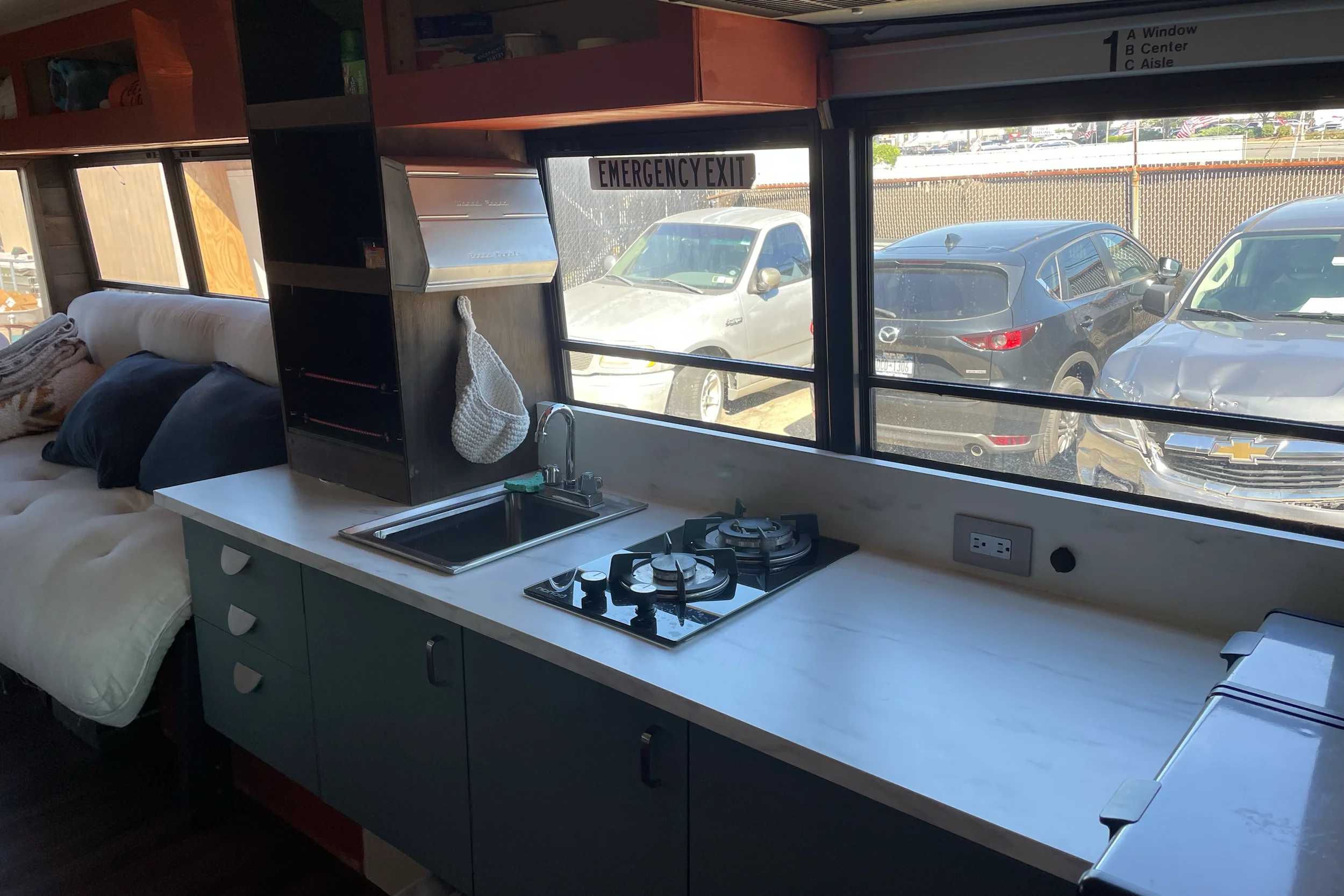
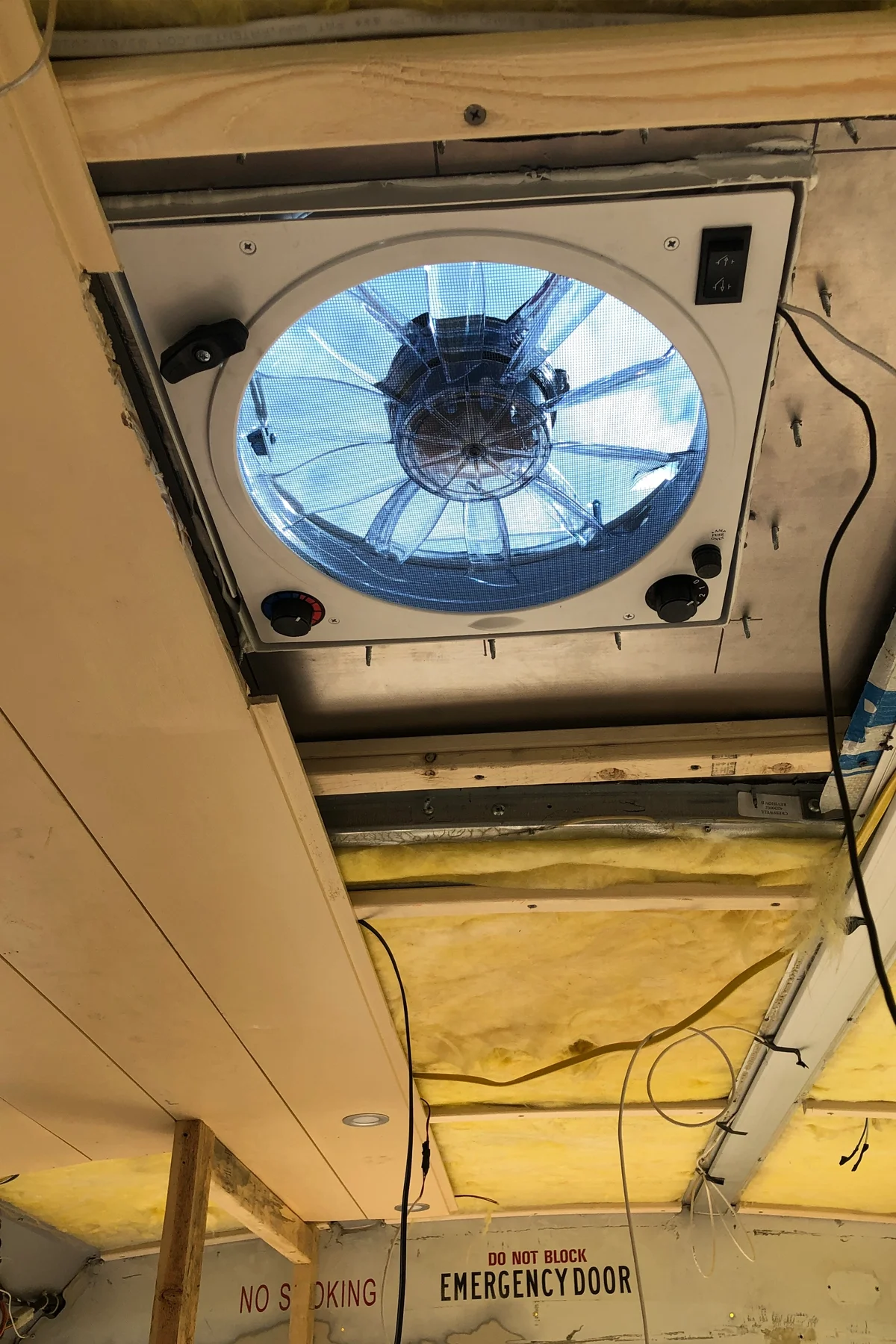
Designing a home within a moving vehicle required careful integration of essential living systems while remaining off-grid. Electrical, water, and ventilation components were thoughtfully planned to support daily living while maintaining accessibility and efficiency throughout the interior.
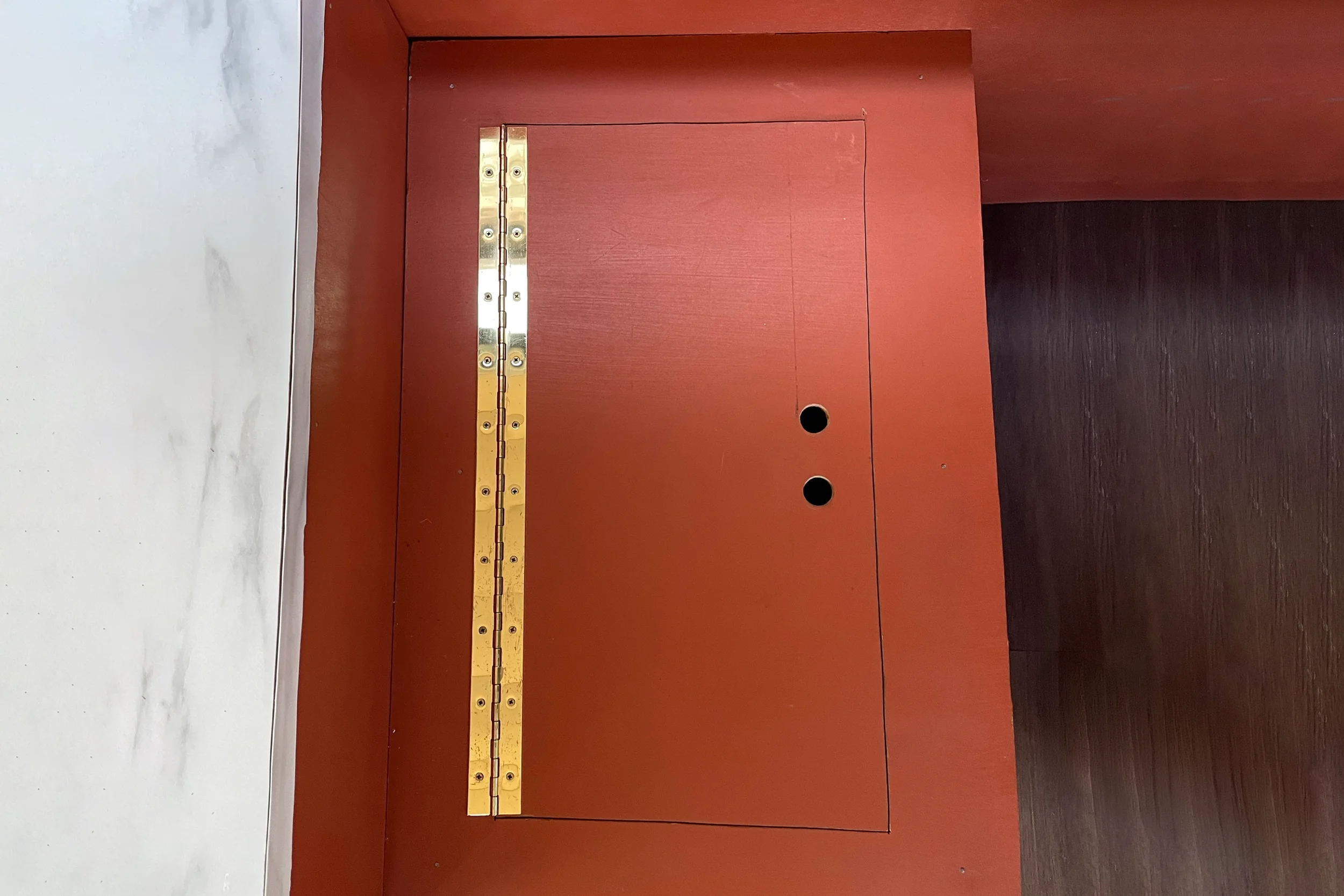
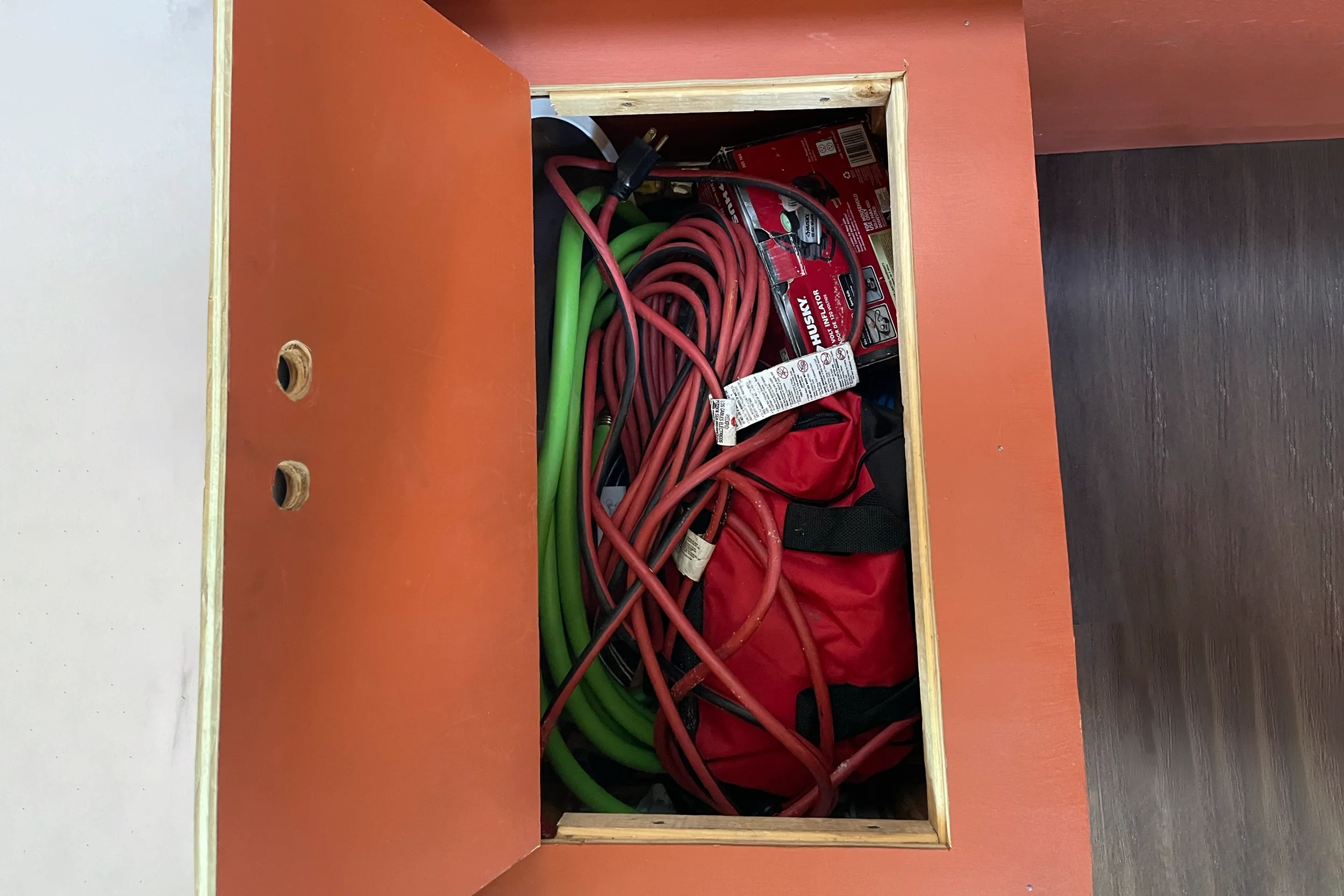
Power, storage, and utility elements were discreetly incorporated into built-in cabinetry, allowing functional infrastructure to coexist seamlessly with the living environment. Every system was designed to support mobility, reliability, and comfort, ensuring the space functions effectively both on the road and while parked in the middle of the mountains.
THE OUTCOME
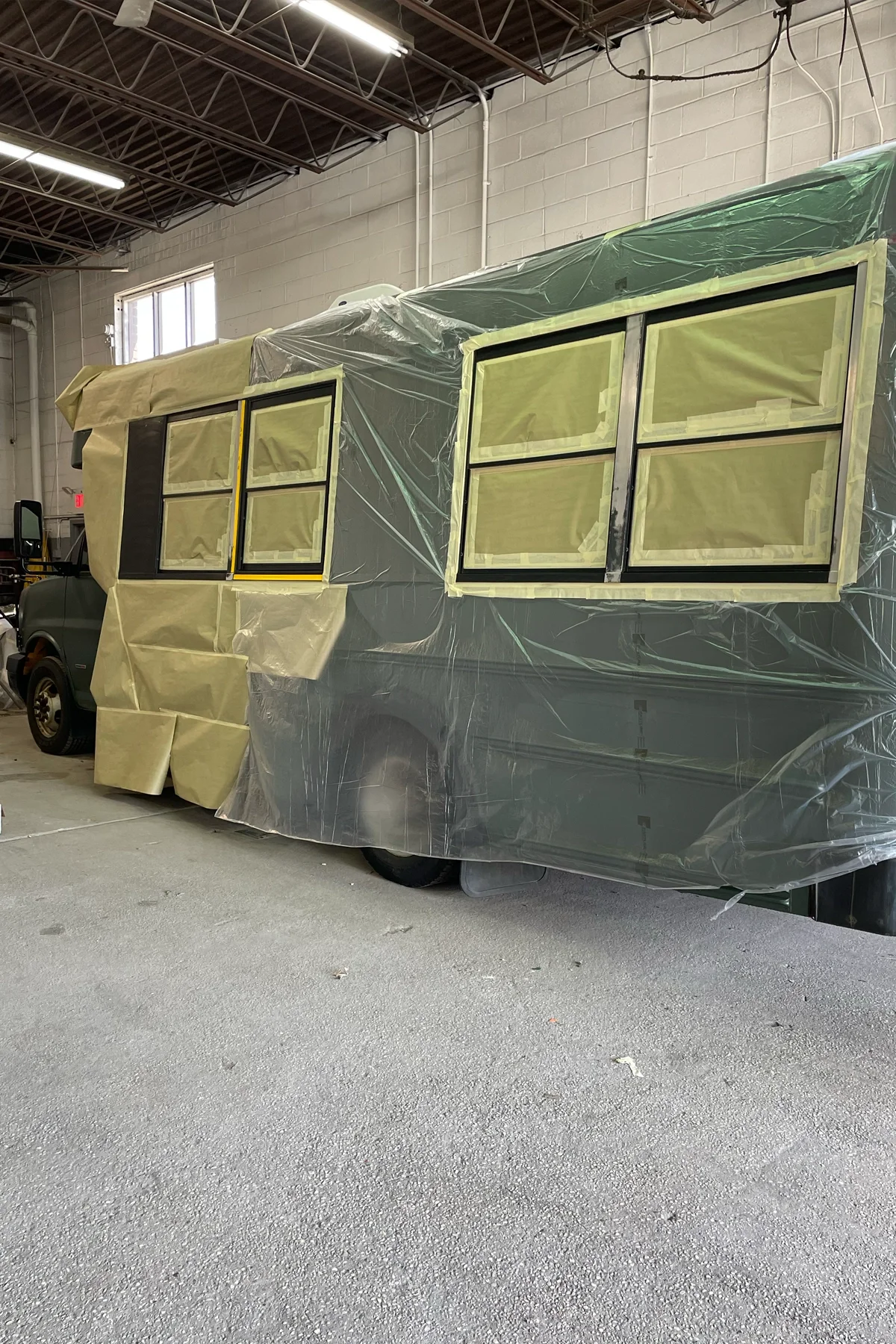
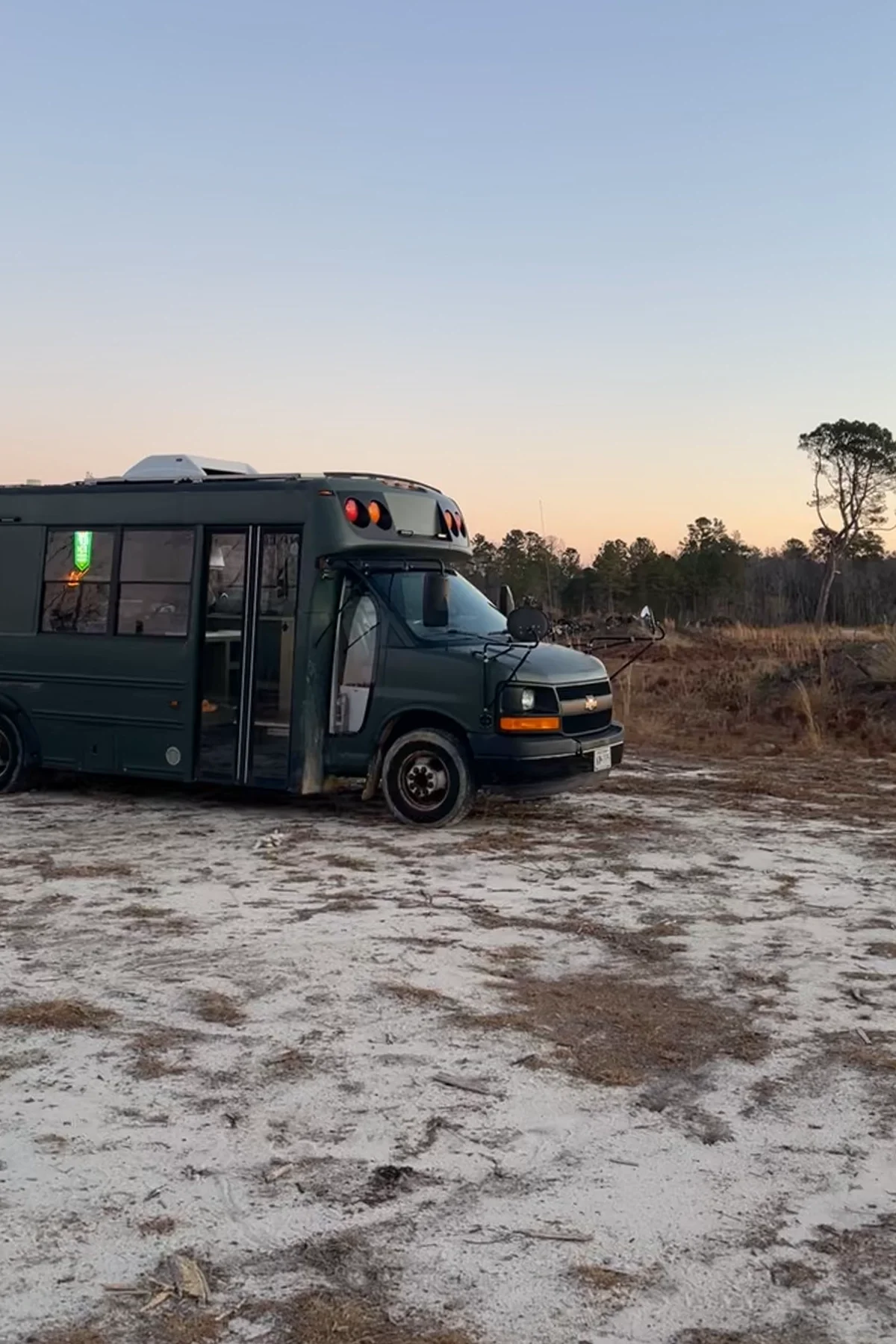
This project transformed a retired school bus into a compact home designed for exploration, independence, and life on the road. Every decision, from layout to materials to integrated systems, was made with the intention of creating a space that could support both movement and lifestyle.
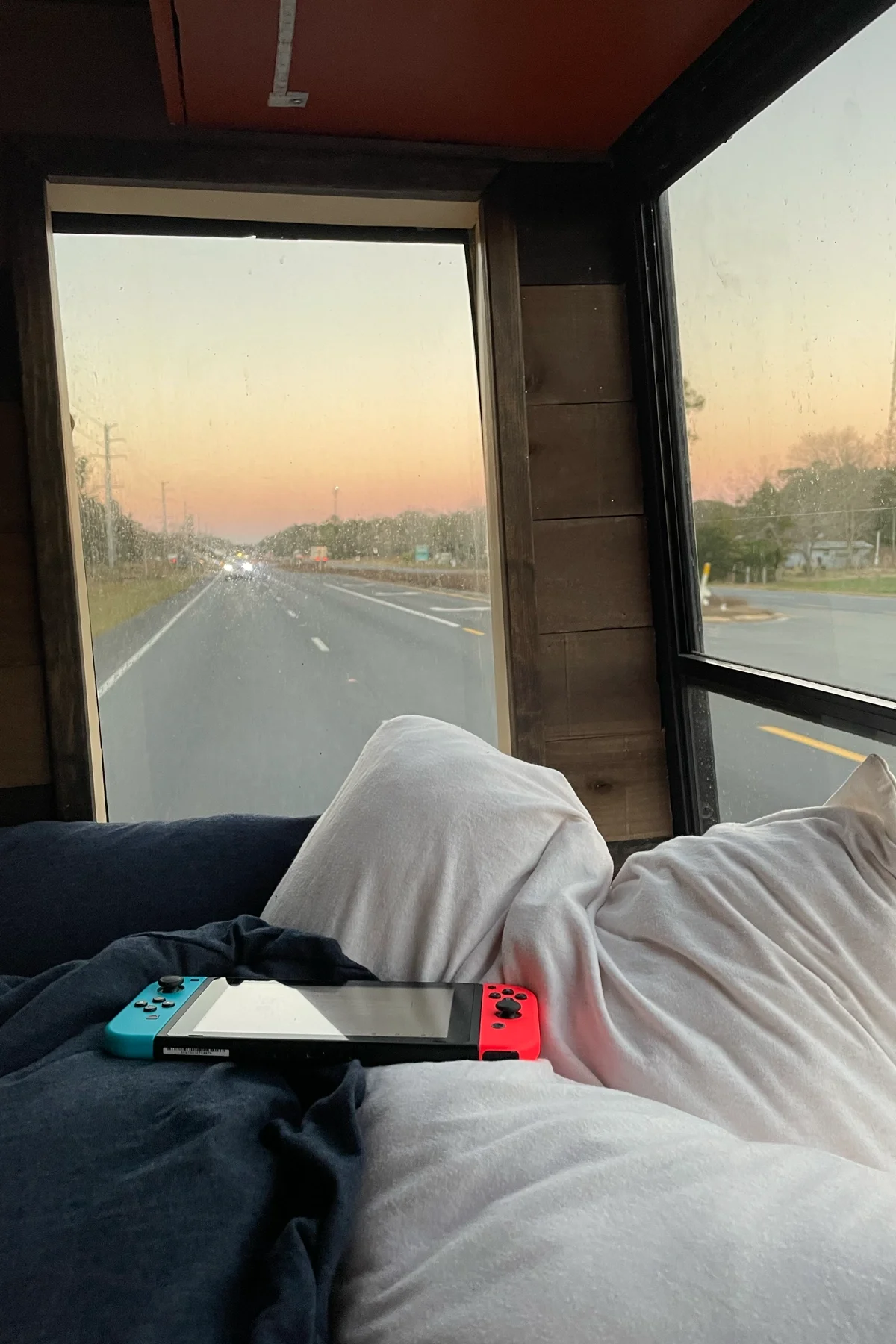
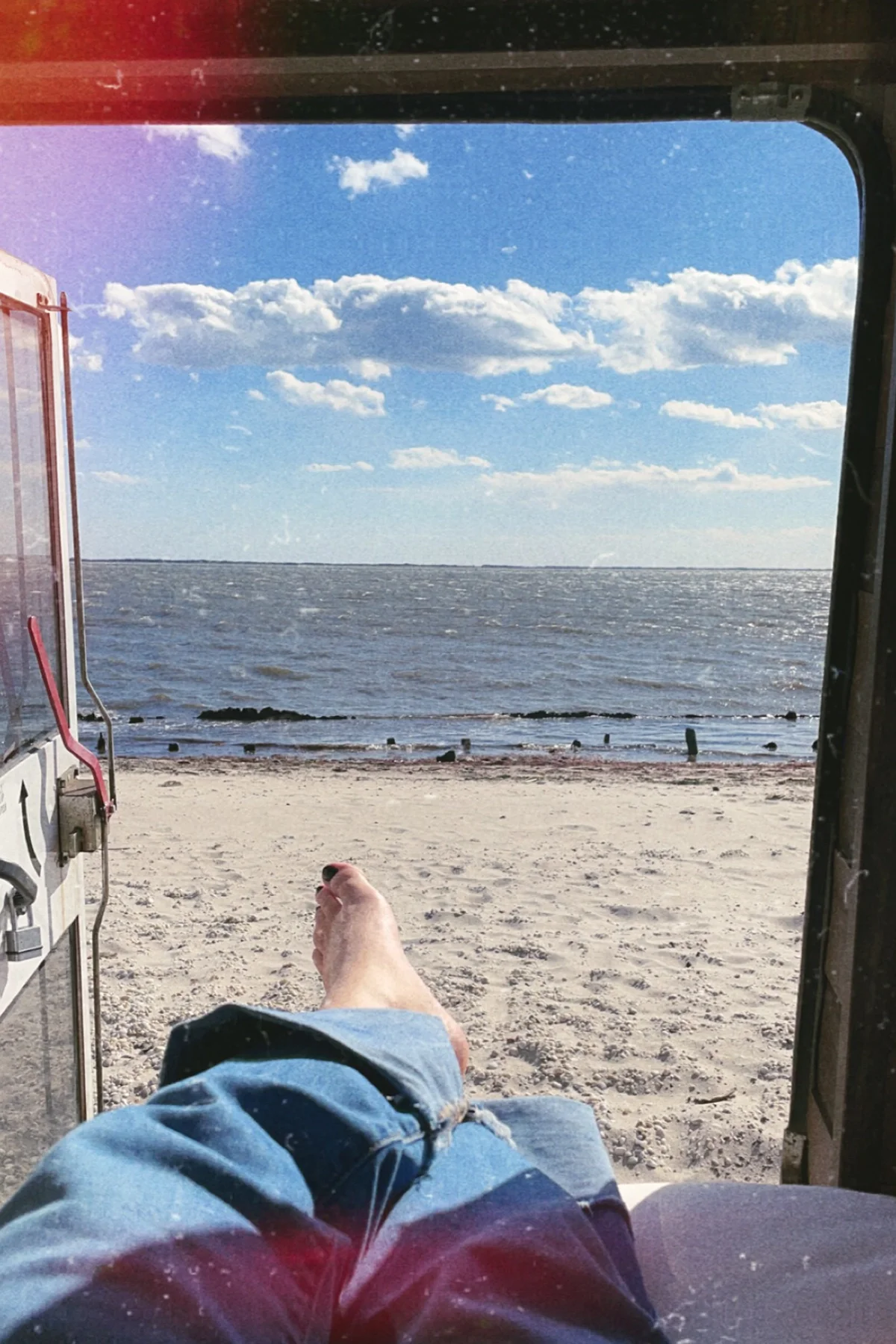
The finished interior became a home away from home while traveling across the country, offering a place to slow down, recharge, and experience each destination more fully. Living in the bus meant seeing the landscape at ground level, following back roads, discovering small towns, and exploring places often overlooked when traveling by air. The space supported that lifestyle by providing a reliable, thoughtfully designed environment that could move from one landscape to the next while still feeling personal and grounded.
More than a build, the project represents a belief that thoughtful design can shape how we experience the world. By transforming a simple vehicle into a livable environment, the skoolie became both a home and a vehicle for discovery.